Egger Textures: A Complete Décor Review for Furniture Projects
Decor codes, collections and popular Egger finishes — from unicolours and wood to concrete and stone. A practical guide for designers and furniture manufacturers.
Egger: a benchmark brand for the furniture industry
Austrian company Egger has been producing chipboard, MDF and laminate since 1961. Today it is one of Europe's largest panel material manufacturers — plants in 10 countries, more than 200 decors in the catalogue, updated every two years.
For furniture designers and manufacturers, the brand is valued above all for the breadth of its decor programme: from clean unicolours to highly realistic wood, stone and concrete replicas that track current interior design trends.
- Over 200 decors in the current catalogue, with full synchronisation across chipboard, MDF and edging
- E1 emission class as standard; E0 and B1 grades available for specialist applications
- Board density 680–720 kg/m³ — less chipping at cut edges
- Moisture-resistant boards (green core) for kitchens, bathrooms and wet areas
- Décors available in 2800 × 2070 mm and 2800 × 2100 mm formats
How to read a decor code
Every Egger decor has an alphanumeric code that uniquely identifies the group, decor number and surface texture. Once you understand the logic, you can always match the exact edging, MDF facade or chipboard carcass.
| Letter | Group | Examples |
|---|---|---|
| U | Uni — solid colours with no pattern | U201 Pebble Grey, U702 Cashmere Grey |
| H | Holz — wood decors (oak, walnut, ash, etc.) | H1180 Halifax Oak Natural, H3331 Nebraska Oak Natural |
| F | Fantasie / Material — stone, concrete, metal and other technical decors | F186 Chicago Concrete Light Grey, F093 Cipollino Marble Grey |
| W | Weiss — a premium white line, separate from the standard U-series whites | W1000 Premium White, W960 Classic White |
| R | A separate solid-colour line with a gloss/matt pair for each shade | R001 Cream White Gloss, R006 Cream White |
The main code is followed by a surface texture code — for example ST9 or ST37. The texture defines the tactile and visual properties of the surface.
The table above shows the groups actually available in GrabSketch's decor catalogue. Egger's full worldwide catalogue is broader and occasionally expanded with extra series — check the current full list on egger.com under Décor Programme.
Egger decor codes are fully compatible across substrates: chipboard, MDF, ABS edging and melamine edging are all produced in the same decors. If the carcass is U201 ST9, the edging must also be U201 ST9. Mixing decors from different batches or substrates will produce a visible colour mismatch.
Surface textures
The surface texture (ST) is the embossing applied over the decorative layer. It determines mattness, gloss level and feel. The same wood decor in two different structures can look completely different.
| Code | Name | Description | Best for |
|---|---|---|---|
| ST9 | Smooth | Flat matt surface. Minimal texture. | Universal — carcasses, facades, unicolours |
| ST10 | Synchronous Structure | Texture is synchronised with the wood decor: ridges align with grain. | Wood decors — maximum realism |
| ST12 | Fine Grain | Fine-grain matt. Neutral texture. | Medium-tone wood, understated interiors |
| ST22 | Natural Matt | Fine natural relief, deep matt. | Wood and neutral decors in contemporary interiors |
| ST36 | Authentic | Large synchronised structure with prominent pores. | Realistic wood decors, Loft and Natural styles |
| ST37 | Brushed | Matt brushed finish. Mimics wire-brushed timber. | Brushed oak and ash |
| G8 | High Gloss | Mirror gloss. No surface relief. | High-gloss solid facades |
| PM | Premium Matt | Extremely matt, velvet-like feel. | Premium solid-colour facades |
For kitchen carcasses that are mostly hidden, ST9 (smooth) is the best choice — most accessible in price and completely universal. ST10, ST36 and ST37 make sense for facades, where tactile quality matters.
Price tiers among decors
There's no fixed formula where "texture determines price" at Egger — the actual board price depends on the specific decor and its print run, not just the texture code: two decors with an ST9 finish can cost differently. There is one clear dividing line in the catalogue, though — the PerfectSense range.
| Category | Texture codes | What it is | Tier |
|---|---|---|---|
| Standard melamine | ST7, ST9, ST10, ST12, ST22, ST28, ST36, ST37 and others | Embossed foil over the decor layer, the bulk of the catalogue | Entry-level |
| High Gloss | G8 | Glossy surface without lacquer | Mid to above-average |
| PerfectSense Matt | PM | Lacquered, extremely matt, velvet-like feel | Premium |
| PerfectSense Gloss | PG | Lacquered mirror-gloss surface | Premium |
PerfectSense (PM and PG) is most often chosen for handle-less facades and solid-colour islands, where a perfectly smooth or mirror surface with no texture seams matters. Always confirm the exact price for a specific decor with your supplier — the texture code sets the category but doesn't guarantee an exact price.
Unicolour decors (U series)
The U series covers solid colours with no wood or stone pattern. These are the backbone of neutral and minimalist interiors. White, beige, grey and anthracite shades from the U series are the most widely used in cabinet furniture production.
Unicolour decors visually expand a space, hide batch-to-batch shade variation and combine effortlessly with any facade.

W1000
Premium White
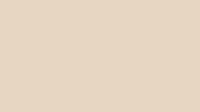
U156
Sand Beige
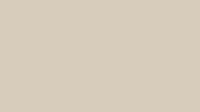
U702
Cashmere Grey

U960
Onyx Grey

U968
Charcoal Grey

U999
Black
Wood — light tones
Light wood decors are the most popular category for Scandinavian, contemporary and minimalist kitchens. Oak, maple and ash in pale tones create an airy, natural feel. ST10 and ST37 structures synchronise pattern and relief — the surface looks and feels like real timber.
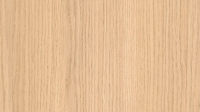
H3152
Vicenza Oak Bleached
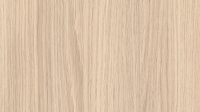
H3165
Vicenza Oak Light
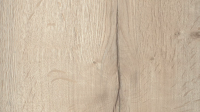
H1176
Halifax Oak White
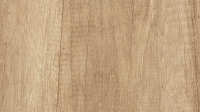
H3331
Nebraska Oak Natural
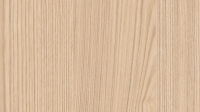
H1204
Lugano Ash Natural Light
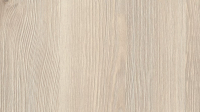
H3430
Aland Pine White
Wood — medium and warm tones
Warm-toned woods create a welcoming atmosphere. This group pairs with white, grey and natural-coloured solid facades. The ST37 brushed structure is especially suited to Natural and Wabi-sabi directions.
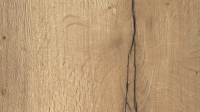
H1180
Halifax Oak Natural
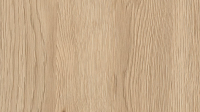
H3309
Gladstone Oak Sand
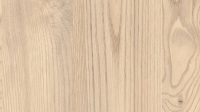
H1710
Kentucky Chestnut Sand
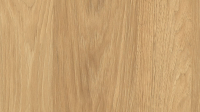
H3730
Hickory Natural
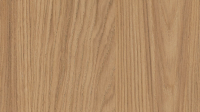
H1385
Casella Oak Natural
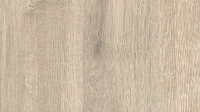
H1312
White River Oak Sand Beige
Wood — dark tones and walnut
Dark wood decors — walnut, wengé and dark oak — work best as an accent. In kitchen projects they are most commonly used for lower cabinet doors or an island unit, with upper cabinets remaining light. This is the classic two-tone kitchen approach.
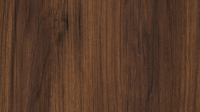
H1307
Warmia Walnut Brown
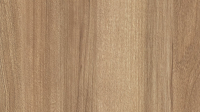
H3700
Pacific Walnut Natural
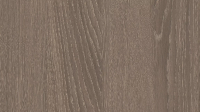
H1379
Orleans Oak Brown
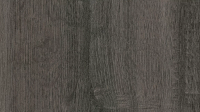
H1346
Sherman Oak Anthracite
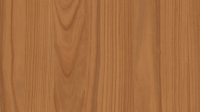
H1636
Locarno Cherry
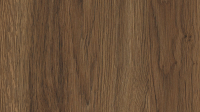
H3154
Charleston Oak Dark Brown
Concrete, stone and abstract decors
Industrial decors — concrete, stone, marble and metal replicas — are used extensively in loft and modern interiors. At Egger these form a dedicated F series (Fantasie / Material) that doesn't overlap with the H wood series. They work well for island facades, splashbacks and accent elements.
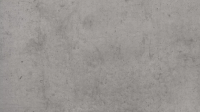
F186
Chicago Concrete Light Grey
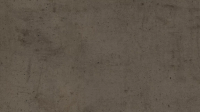
F187
Chicago Concrete Dark Grey
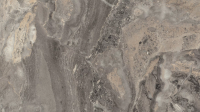
F093
Cipollino Marble Grey
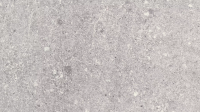
F031
Cascia Granite Light Grey

F500
Metallic Steel
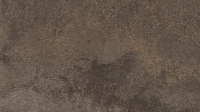
F227
Titanite Grey
Popular combinations for kitchen projects
The pairings below aren't a by-eye pick — they're taken from Egger's own official decor combination guide (Decor Combinations, EGGER Decorative Collection), filtered down to decors that actually exist in the GrabSketch catalogue.
In a real kitchen, a decor pair is almost never split 50/50. Usually one decor dominates (the carcass and most facades), and the other provides an accent (the lower row, an island, the countertop or splashback). General rule: dark or bold colours go low or on the island, light and neutral ones go up top and on the carcass — that way the kitchen doesn't feel top-heavy. Each pair below has its role labelled accordingly, not left abstract.
You can do more than just look at these pairings — try them directly: open the texture panel in the GrabSketch editor and pick the "Ready combinations" tab, where the same carcass/facade/countertop pairs are already assembled into a full 3D kitchen project.
Upper facades and carcass
Premium White
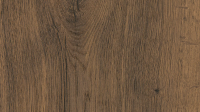
Lower facades
Halifax Oak Brown
Lower facades and island
Black
Upper facades and carcass
Premium White
Upper facades and carcass
Cashmere Grey
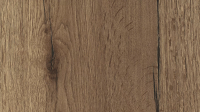
Lower facades
Halifax Oak Tobacco

Island or accent wall unit
Indigo Blue
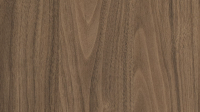
Carcass and main facades
Carini Walnut Natural

Lower facades or island
Forest Green
Upper facades and carcass
Halifax Oak Brown
Facades
Halifax Oak White
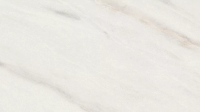
Countertop
Levanto Marble White
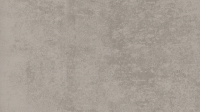
Handle profile, plinth
Chromix Silver
Facades
Halifax Oak Natural
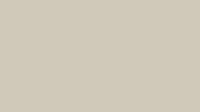
Carcass
Light Grey
Facades
Halifax Oak White
Facades
Carini Walnut Natural
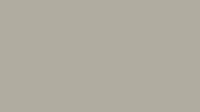
Carcass
Pebble Grey
Facades
Dark Grey-Brown
Splashback / wall panel
Beige Textile

Lower facades
Graphite Black
Upper facades and carcass
Halifax Oak White

Lower facades or island
Soft Black
Carcass and main facades
Carini Walnut Natural

Carcass
Diamond Grey
Splashback / wall panel
White Linen
Facades
Gladstone Oak Tobacco
Countertop
Levanto Marble White
All 14 pairs above are direct recommendations from Egger's official guide, not an editorial pick; the roles assigned (top/bottom/carcass/countertop) are our own practical interpretation for a kitchen, not part of the guide itself. U599 (indigo) + walnut and U606 (green) + oak are the same "bold colour + warm wood" pairing now being called a 2026 trend — Egger was officially recommending it before it became one.
Synchronisation rule: if the carcass is W1000 (Premium White), the edging must also be W1000, not W1100 (Alpine White) or any other shade of white. Even visually similar whites from different codes will never be a perfect colour match.
2026 trends: the Egger 26+ collection
In February 2026, Egger launched its new Decorative Collection 26+ under the tagline "Innovations create space for solutions", bringing new decors and surfaces to market faster. The collection's main direction is "Beige & Italian Design": pairing soft beige solid decors from the U series with stone replicas and restrained, linear wood grain patterns in the spirit of classic Italian furniture.
- Beige has been named the leading 2026 trend colour, thanks to how versatile it is alongside wood, stone and metal
- The overall direction is a move away from high-contrast schemes towards calmer, warmer pairings
- New decors stay in the production programme for at least 4 years, so you can specify current decors in a project without the risk of quick discontinuation
- The global collection line is supplemented by regional stock programmes, which can vary in range
Whether a specific decor is available in your country is worth checking with your local Egger supplier — what's in the global catalogue isn't always on regional stock, and vice versa.
Collection updates
Egger updates its collection every two years. Some decors are discontinued — important to consider when designing furniture that may need to be extended or repaired years later. For large orders, always verify that the decor is still active in the current Egger catalogue.
- Current catalogue — egger.com under Décor Programme
- When a decor is discontinued, Egger typically suggests the closest available alternative
- Edging for discontinued decors may remain in stock for 1–2 years
- For large contract orders — request stock reservation from your supplier
Frequently Asked Questions
What do the letters in an Egger decor code mean?+
U marks solid colours with no pattern, H marks wood decors, F covers stone/concrete/metal and other technical decors, and W is a premium white line, separate from the standard U-series whites. The digits after the letter are the specific decor number, followed by a space and a texture code (e.g. ST9).
What's the difference between ST9 and ST10?+
ST9 is a smooth, matt texture with minimal relief — the most universal and affordable option. ST10 is synchronised with the wood grain: the embossing ridges line up exactly with the pattern, making the surface look far more realistic — but that structure is usually a little more expensive.
Do all Egger decors cost the same?+
No. There's no fixed formula where texture determines price — the actual cost depends on the specific decor and its print run. The PerfectSense range (texture codes PM and PG) — lacquered premium finishes — is consistently more expensive than the standard melamine foil, though.
How often does Egger update its decor collection?+
A new collection comes out every two years (Collection 26+ in February 2026). Once a decor enters the production programme, it stays there for at least 4 years, so you can specify current decors in a project without much risk of them being discontinued within a year.
Can decors from different Egger collections be combined?+
Yes — older and newer decors keep selling side by side until they're officially discontinued. The rule that actually matters is different: the carcass, facade, edging and countertop in one decor must match code-for-code — even similar-looking whites from different decors will never line up perfectly.
Using Egger decors in GrabSketch
In the GrabSketch designer you can select an Egger decor for the carcass, upper and lower facades, countertop and splashback. The 3D preview updates instantly — you see immediately how the chosen decors work together in the actual kitchen space.
Change the decor for each role individually and see the result in 3D right away — or start from a ready-made pair in the "Popular combinations for kitchen projects" section above and adjust it to your own project.